Climate Change Puts Even ‘Safe’ Species at Risk
They found that 83% of the birds, 66% of the amphibians and 70% of the corals are highly vulnerable to climate change.

They found that 83% of the birds, 66% of the amphibians and 70% of the corals are highly vulnerable to climate change.
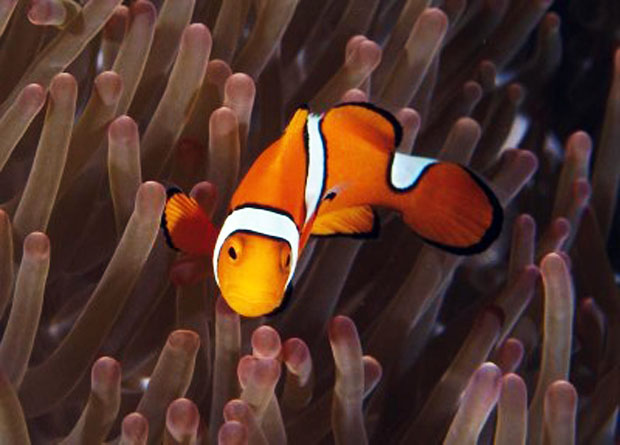
Rising human carbon dioxide emissions may be affecting the brains and central nervous system of sea fishes with serious consequences for their survival, an international scientific team has found.
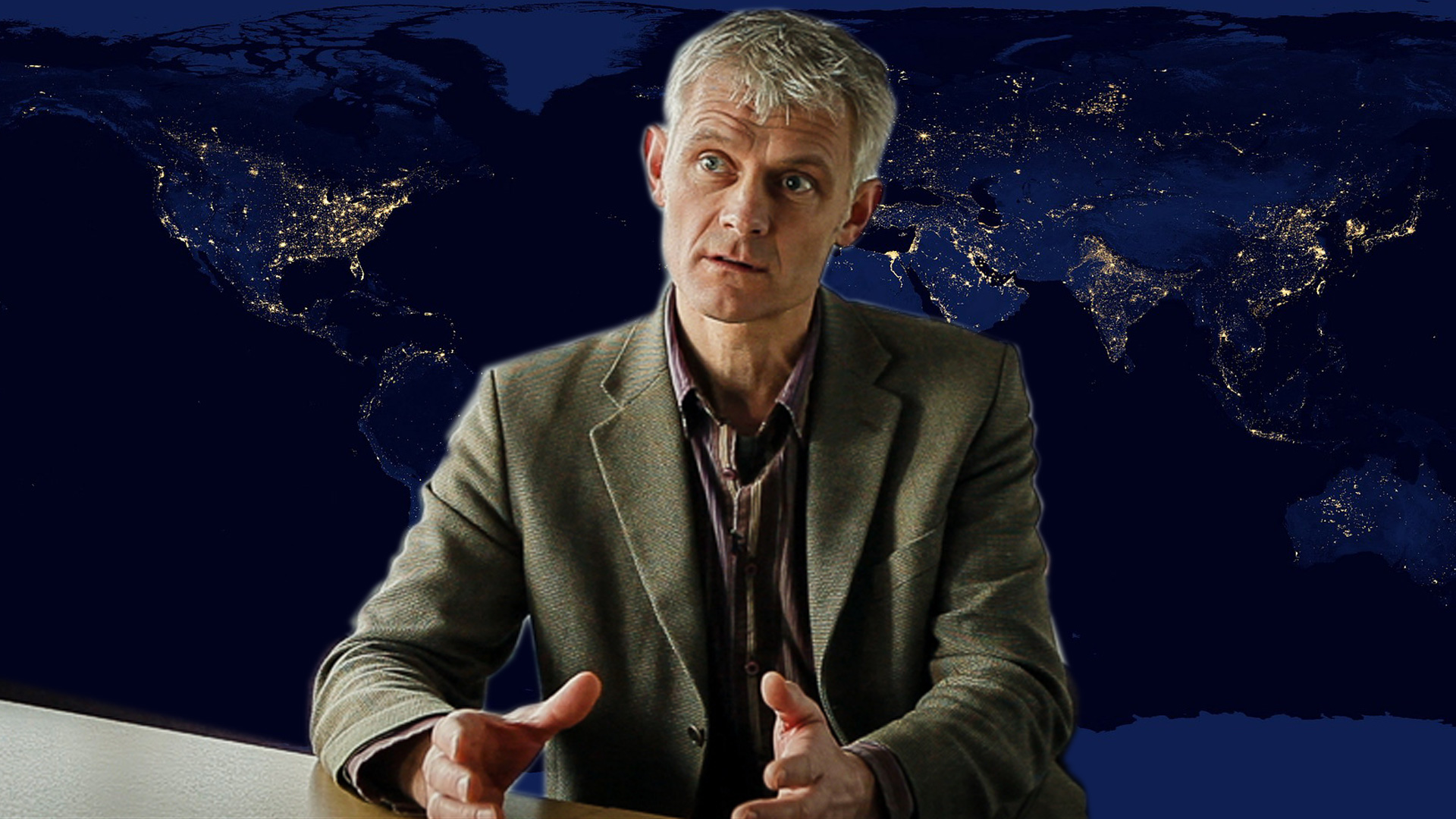
Scientists agree on climate change. So why doesn’t everyone else?
From Rhetoric to Reality - Facing the Challenges of Climate Change
Scientists have discovered a one mile deep rift valley hidden beneath the ice in West Antarctica, which they believe is contributing to ice loss from this part of the continent.
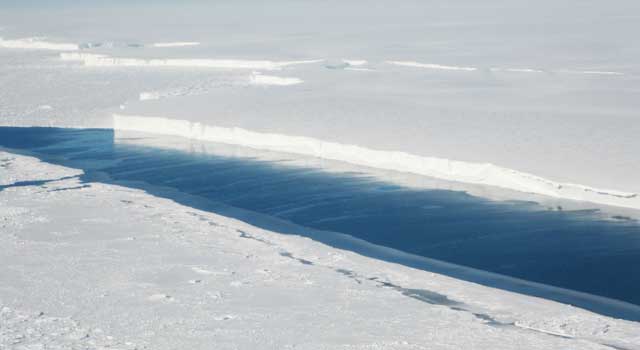
New research has revealed that ice shelves in Antarctica are primarily melting from below due to warm ocean waters, rather than by dramatic iceberg breaks. Scientists believe that this phenomenon is causing a much faster and larger rate of melting than previously anticipated.
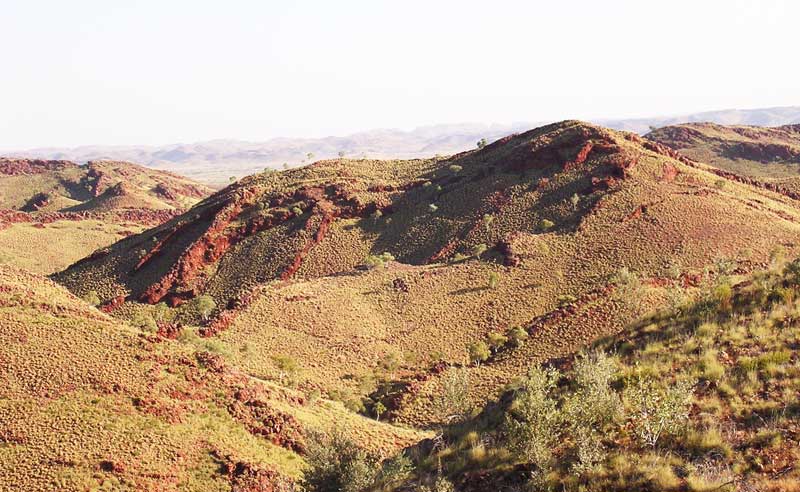
Tiny bubbles of water found in quartz grains in Australia may hold the key to understanding what caused the Earth’s first ice age.
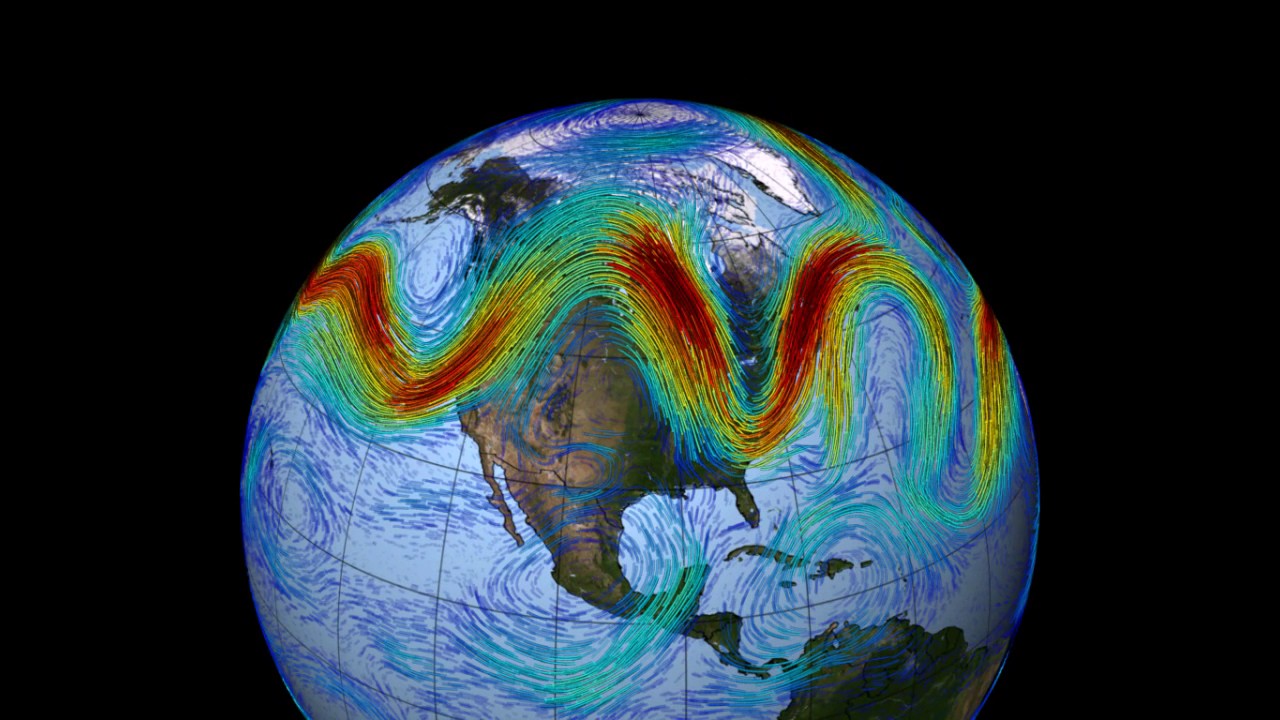
The northern hemisphere's atmospheric circulation has been behaving very strangely.
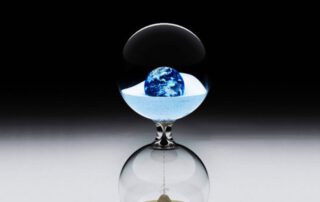
The latest projections about the extent of planetary warming and the dire consequences of our growing carbon imbalance.