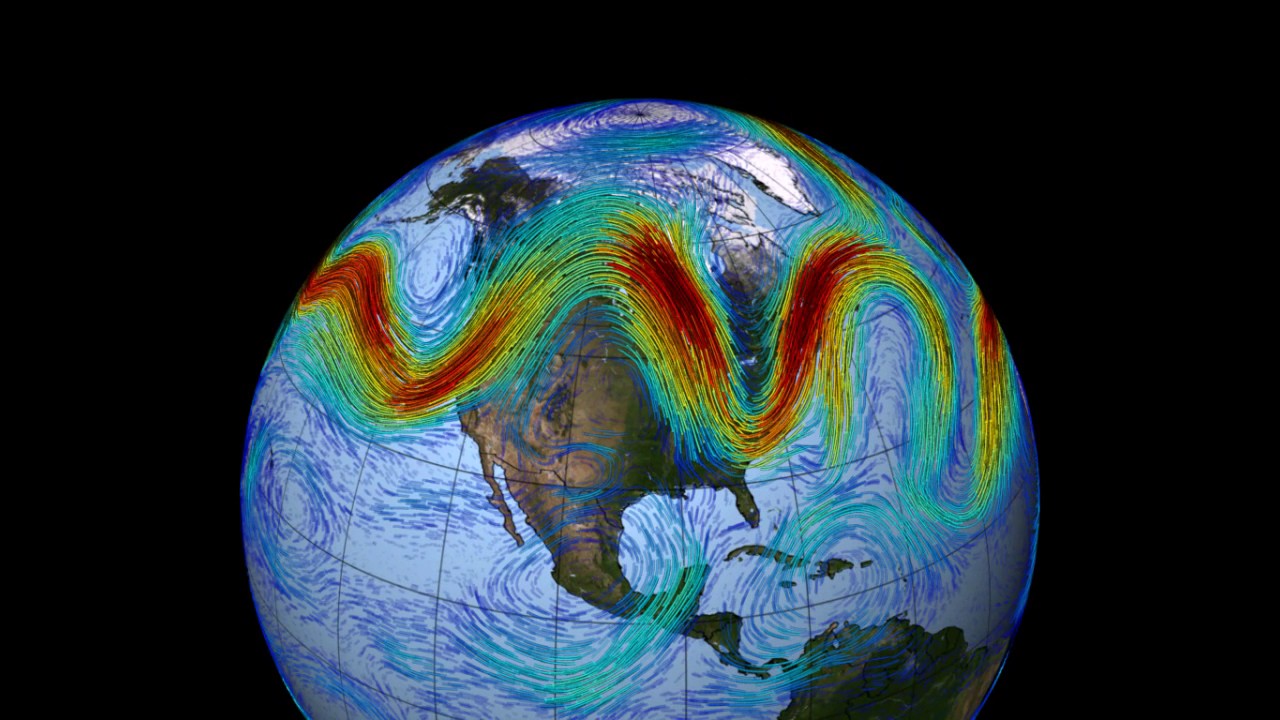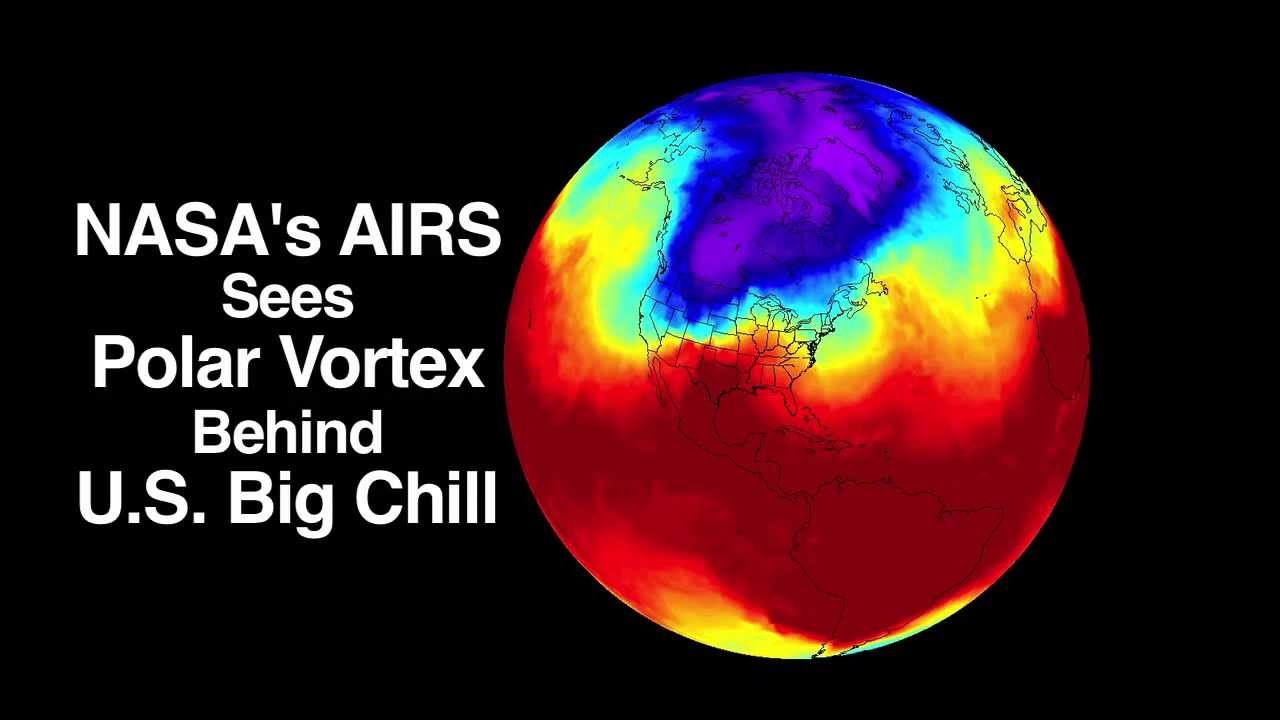
NASA’s AIRS Sees Polar Vortex Behind U.S. Big Chill
The chilling weather phenomenon that hit much of the U.S. in January is explained by scientist Eric Fetzer using data from NASA's AIRS instrument.

The chilling weather phenomenon that hit much of the U.S. in January is explained by scientist Eric Fetzer using data from NASA's AIRS instrument.
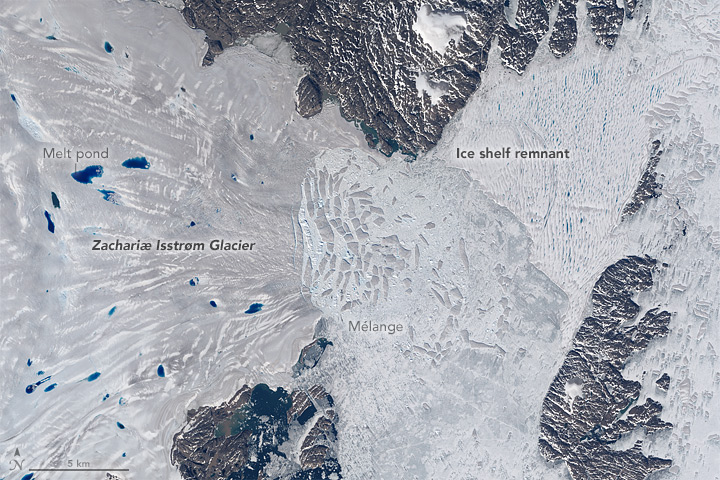
Zachariæ Isstrøm has become the latest Greenland glacier to undergo rapid changes in a warming world.
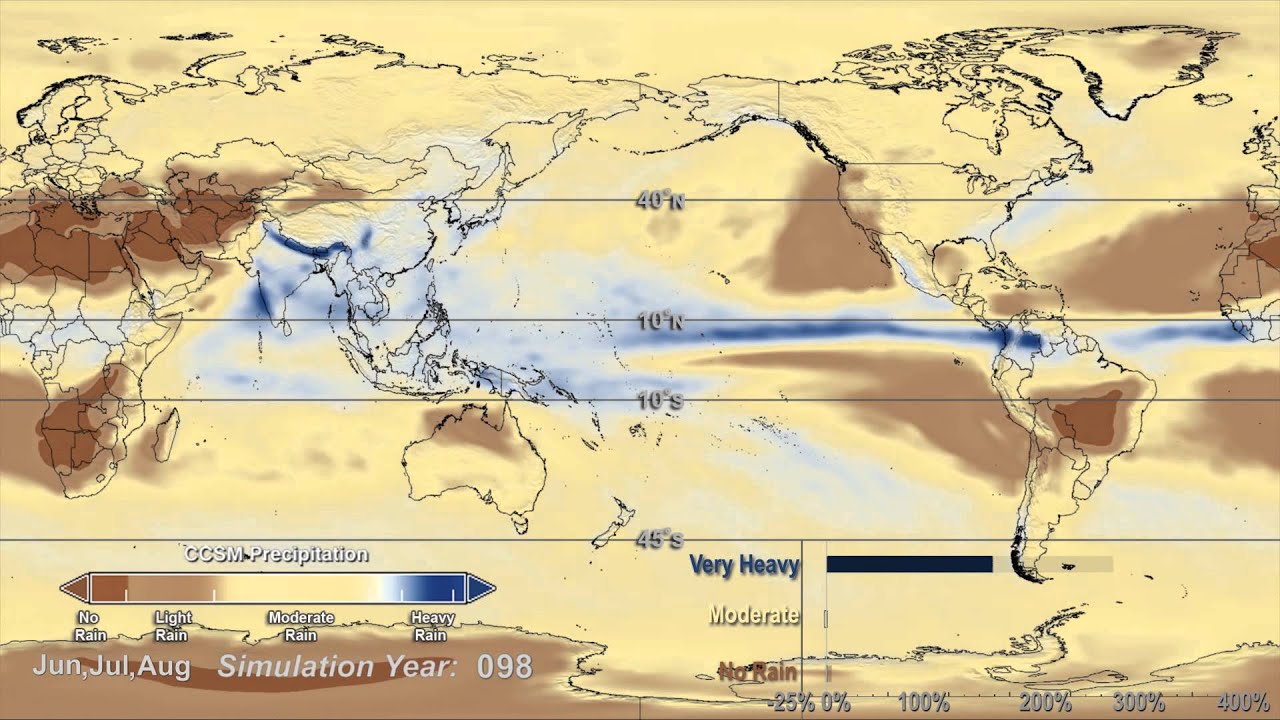
A NASA-led modeling study provides new evidence that global warming may increase the risk for extreme rainfall and drought.
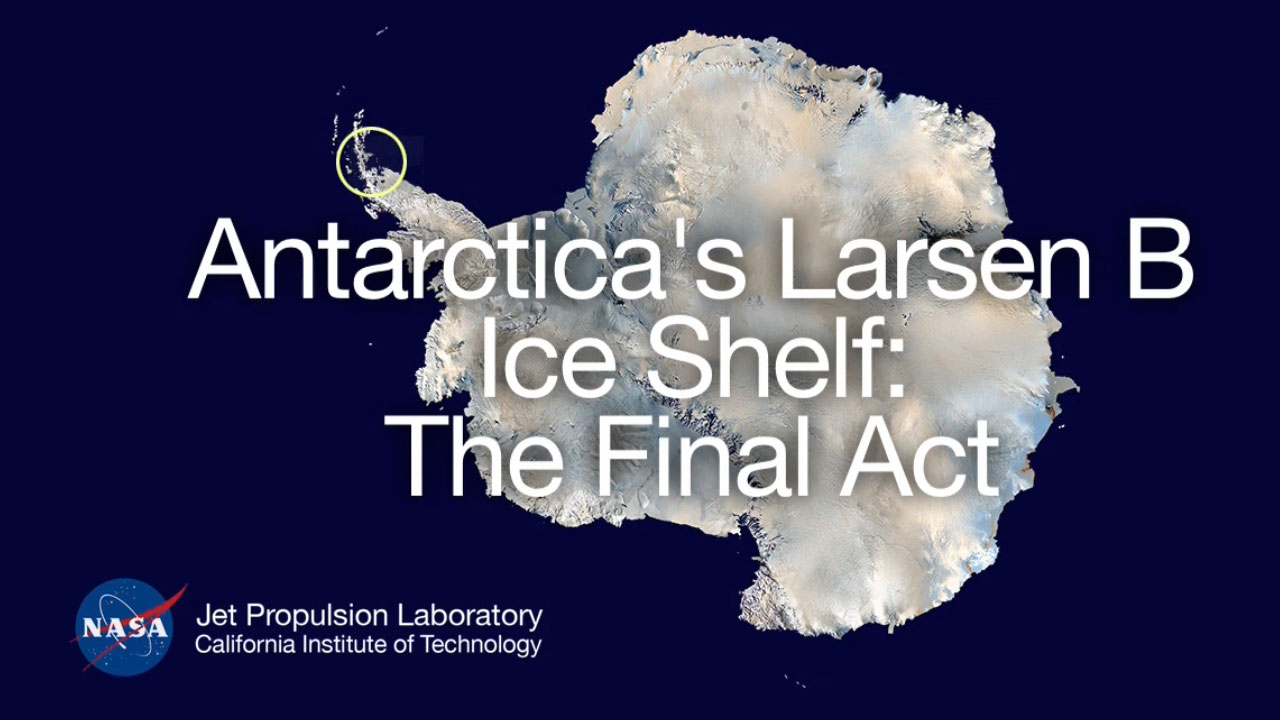
NASA has found that the last section of Antarctica's Larsen B Ice Shelf is likely to disintegrate before the end of the decade.
Meandering around the planet like a rollicking roller coaster in the sky.
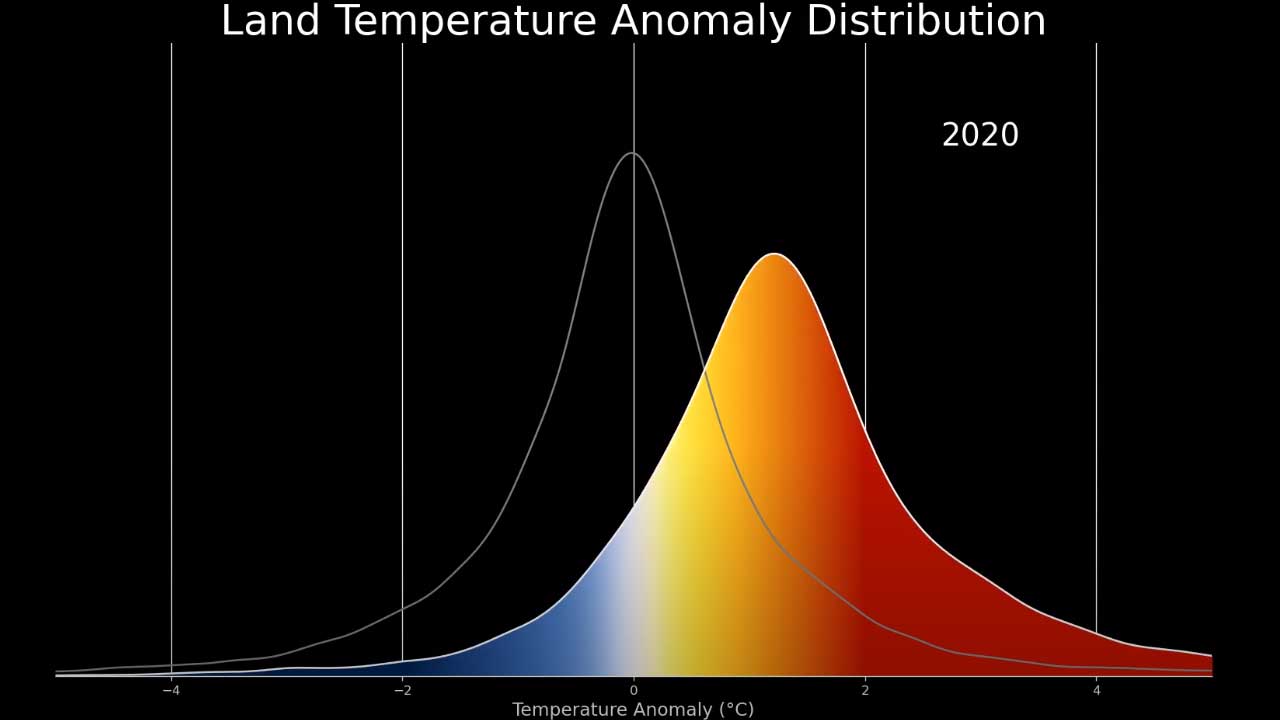
This visualization shows that as land temperatures have increased since 1950, hotter days have become more common and colder days have become less common.
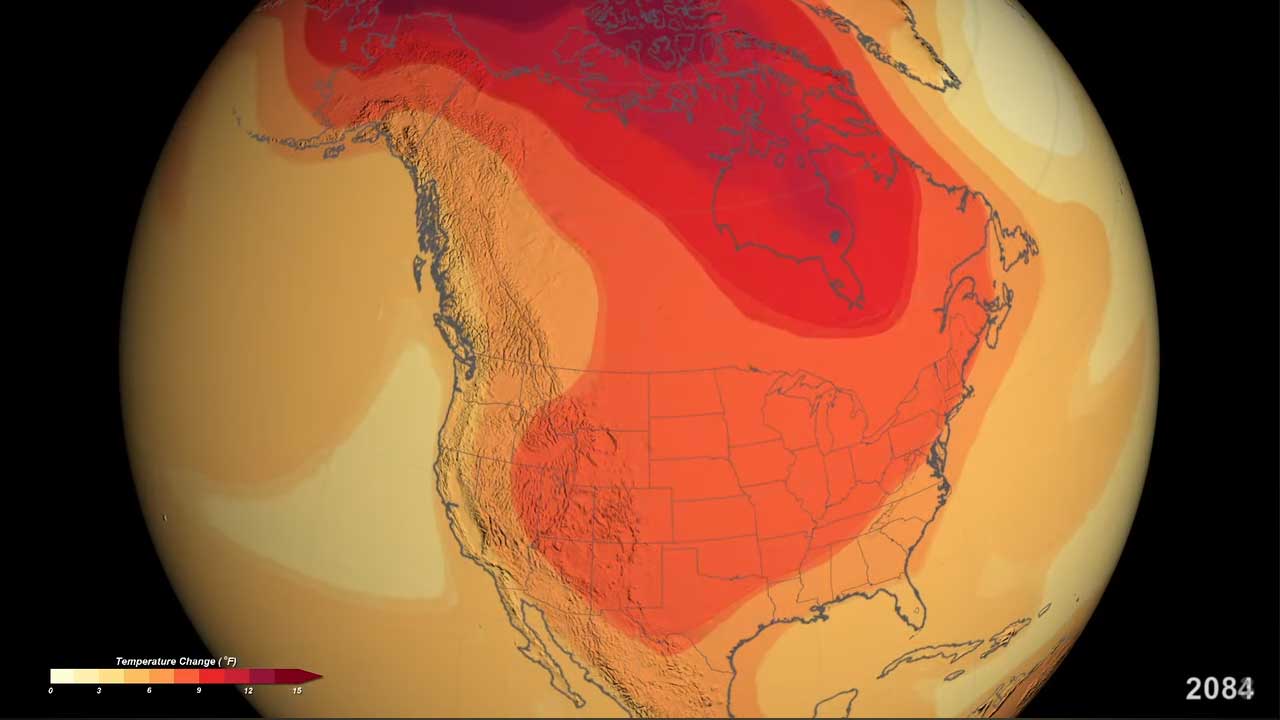
With climate change, certain areas of the United States, like the great Plains and Upper Midwest, will be at a greater risk of burning by the end of the 21st-century.
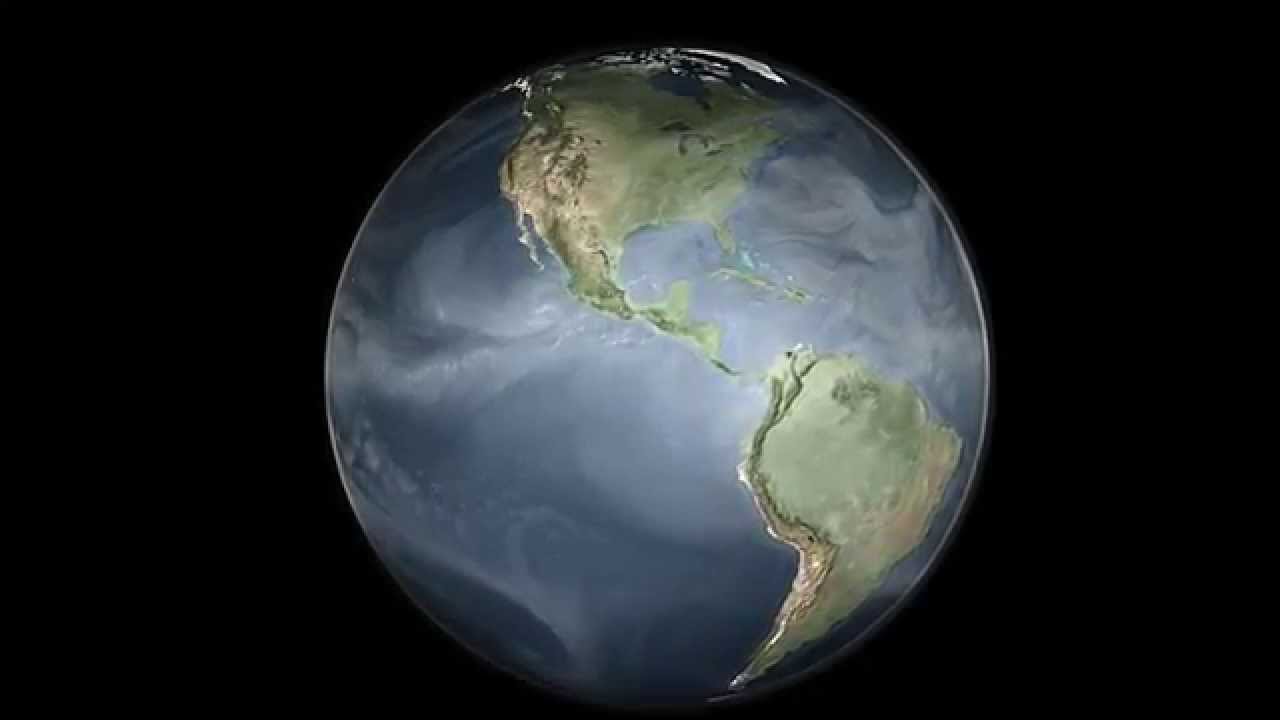
NASA scientists on a 40-minute visual tour of Earth from space.
Current concentrations stand at 400 parts per million, and are rising faster than at any time in Earth's history.