Climate Change Linked to Ozone Loss: May Result in More Skin Cancer

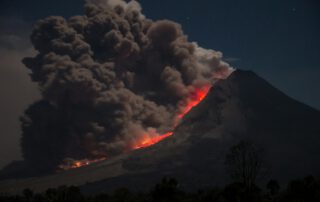
Water vapor injected into the stratosphere by powerful thunderstorms converts stable forms of chlorine and bromine into free radicals capable of transforming ozone molecules into oxygen, which could in turn lead to increased ozone loss and greater levels of harmful UV radiation.

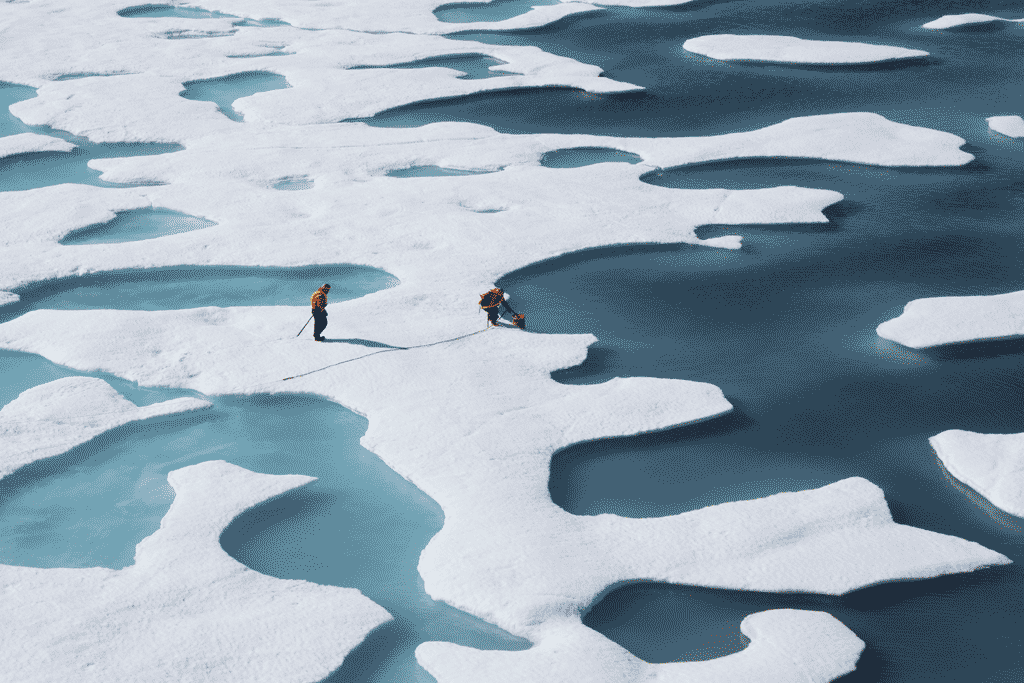
Catastrophic sea levels ‘distinct possibility’ this century

The findings suggest that such an scenario - which would redraw coastlines worldwide and unleash colossal human misery - is now a distinct possibility within the next 100 years.

Sea-ice switches and abrupt climate change

Past abrupt climate changes were probably a result of rapid and extensive variations in sea-ice cover.

First evidence of under-ice volcanic eruption in Antarctica

The first evidence of a volcanic eruption from beneath Antarctica’s most rapidly changing ice sheet. The volcano on the West Antarctic Ice Sheet erupted 2000 years ago (325BC) and remains active.

Central West Antarctica among the most rapidly warming regions on Earth

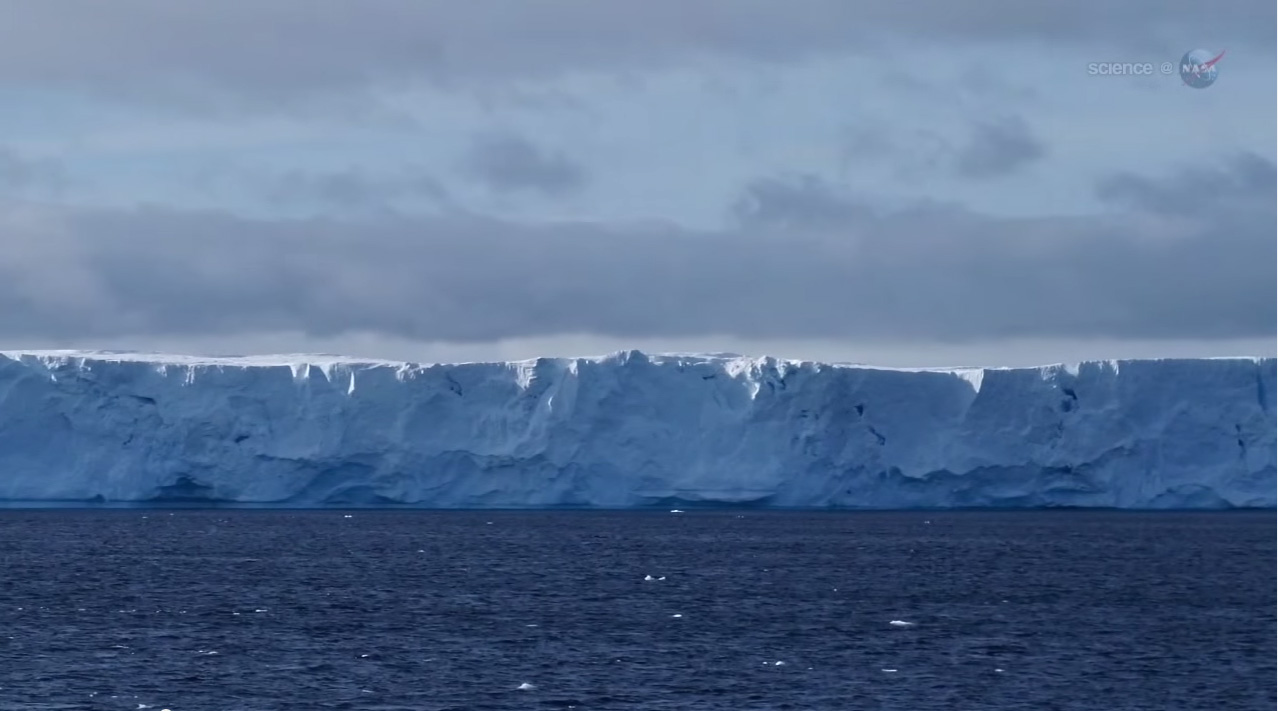
There is clear evidence that the West Antarctic Ice Sheet is contributing to sea-level rise.

West Antarctic rapid glacier retreat may be exceptional during the Holocene

Ice loss from the marine-based, potentially unstable West Antarctic Ice Sheet (WAIS) contributes to current sea-level rise and may raise sea level by ≤3.3 m or even ≤5 m in the future.

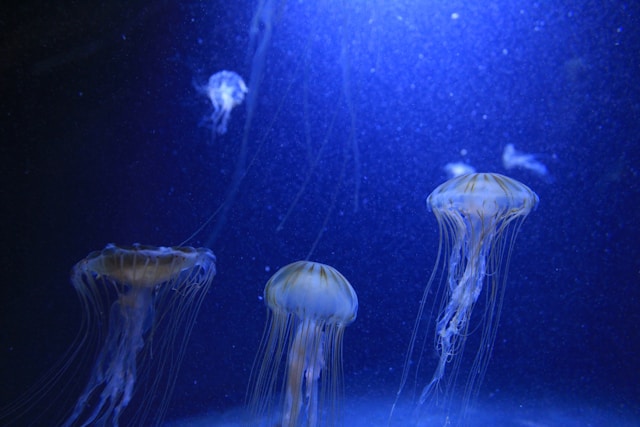
More stingers as sea temperatures rise

As sea temps rise off Northern Queensland, more irukandji & box jellyfish are moving South.

Weird weather might just wake feeble politicians up to climate change

Meteorologists are debating our role in bizarre weather events. We have the technology for change, but not the political will.

Go to Top