Arctic Ocean Acidification
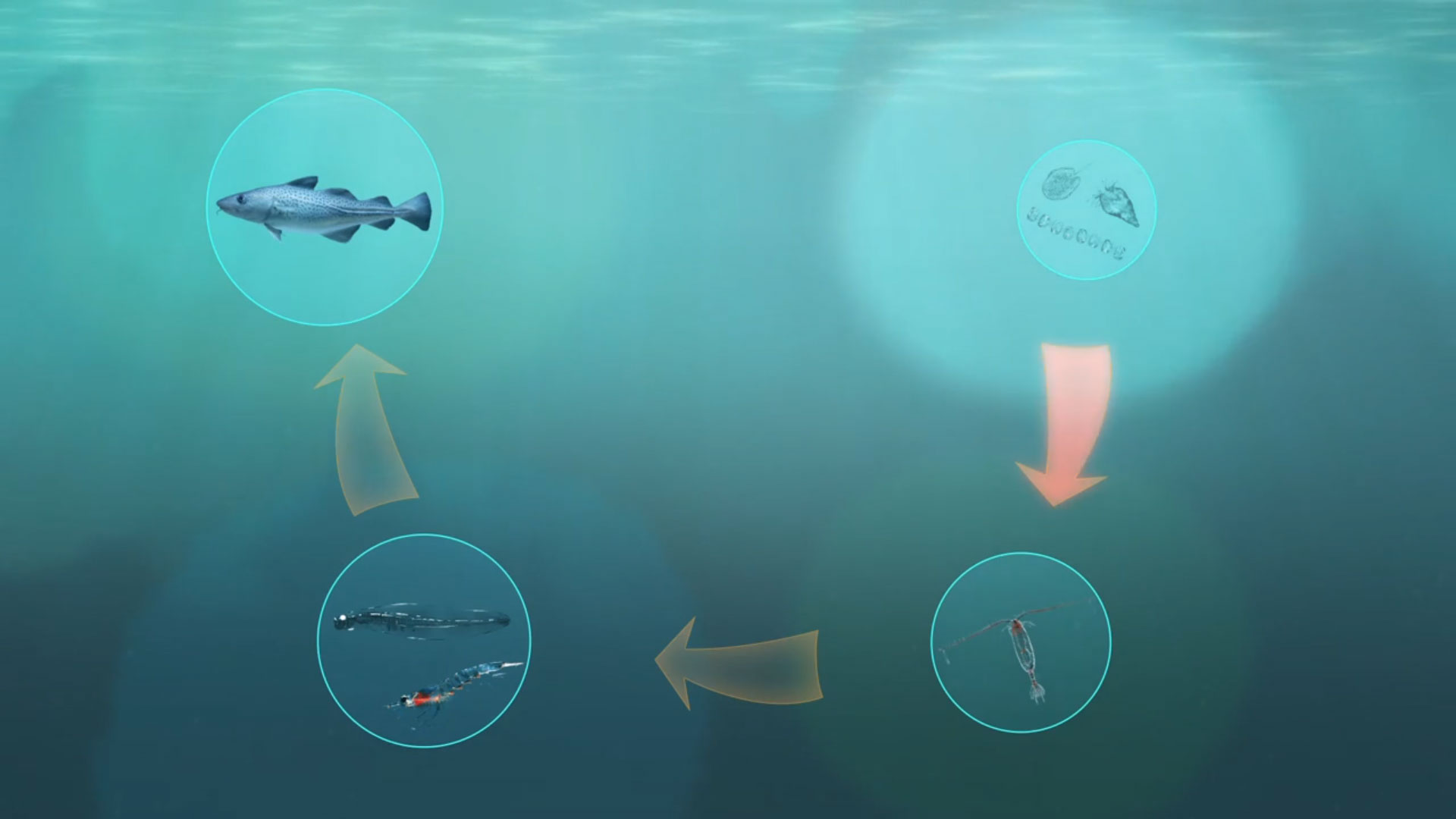
AMAP’s new assessment of the Arctic Ocean Acidification (AOA) reviews the current state of knowledge regarding ocean acidification from an Arctic perspective.

AMAP’s new assessment of the Arctic Ocean Acidification (AOA) reviews the current state of knowledge regarding ocean acidification from an Arctic perspective.
The Arctic seas are being made rapidly more acidic by carbon-dioxide emissions, according to a new report.
Shallow hydrates were sampled in Siberia, they form as a result of the so-called “self-preservation phenomenon” and they are termed “metastable”.
Changes in air temperature and winter precipitation over the last five decades have affected the timing, duration and thickness of the ice cover on lakes in the Arctic.
This peer-reviewed educational video introduces feedbacks that are important in the Arctic climate system.
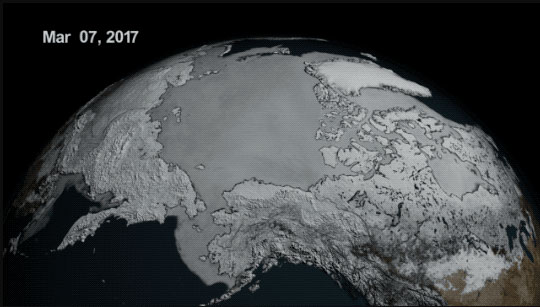
Arctic sea ice appears to have reached a record low wintertime maximum extent.
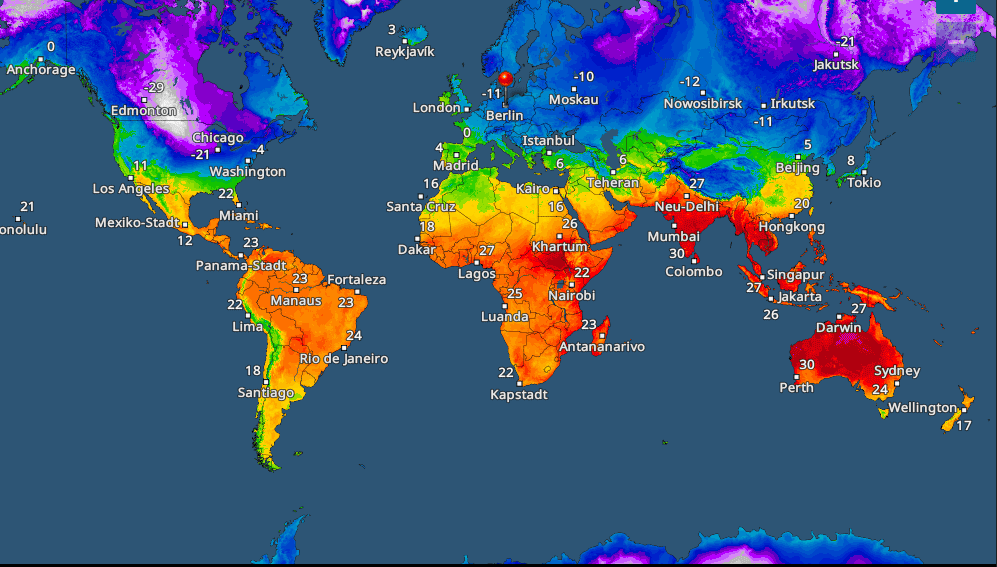
During this week, many parts of the Northern Hemisphere, see Arctic cold air intrusion into lower latitudes.
What can YOU do to fight climate change? Archbishop Tutu lays out four simple steps everyone can take.
For every degree of global warming, the open water period in the Arctic will increase by roughly one month