Study: Contribution of Antarctica to past and future sea-level rise (2016)
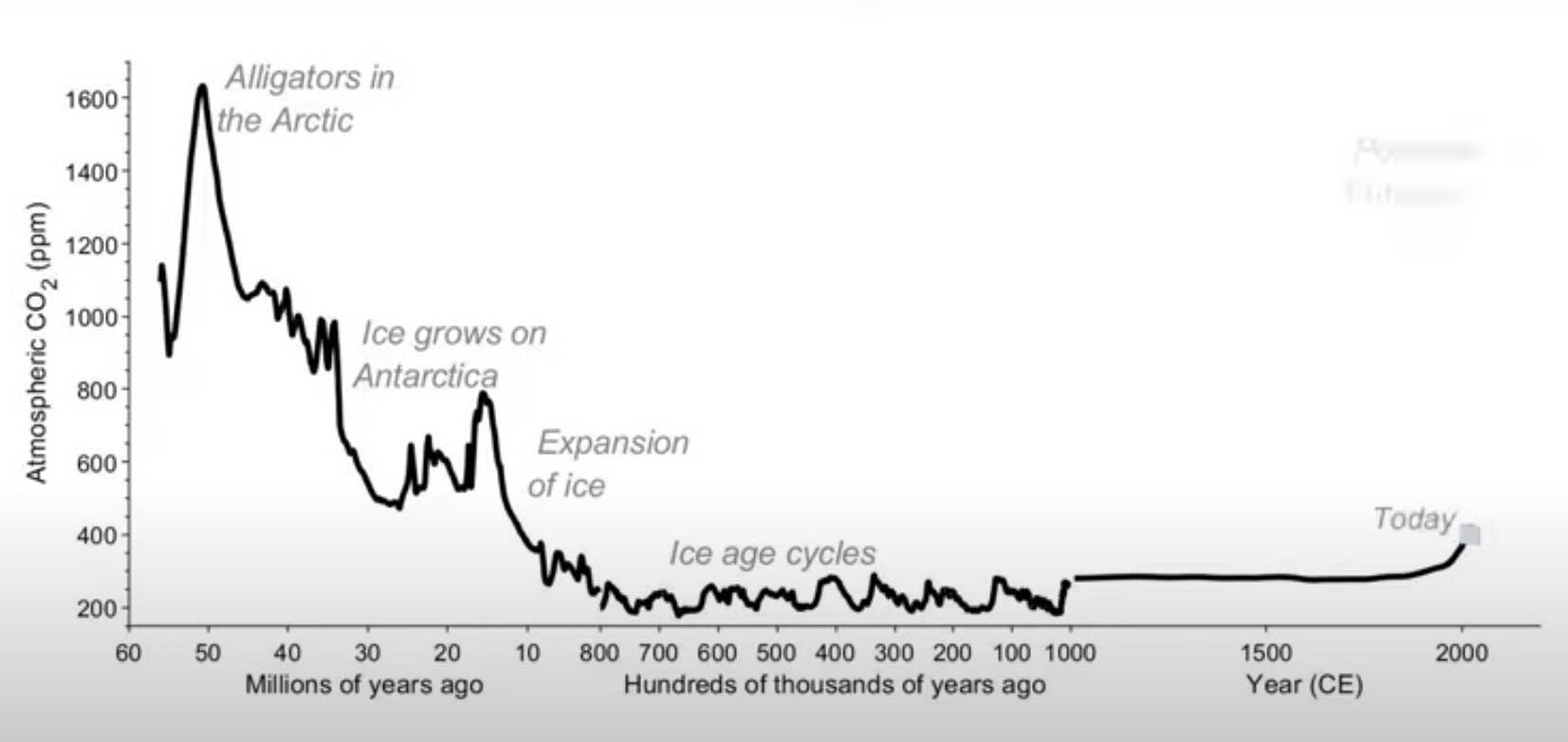
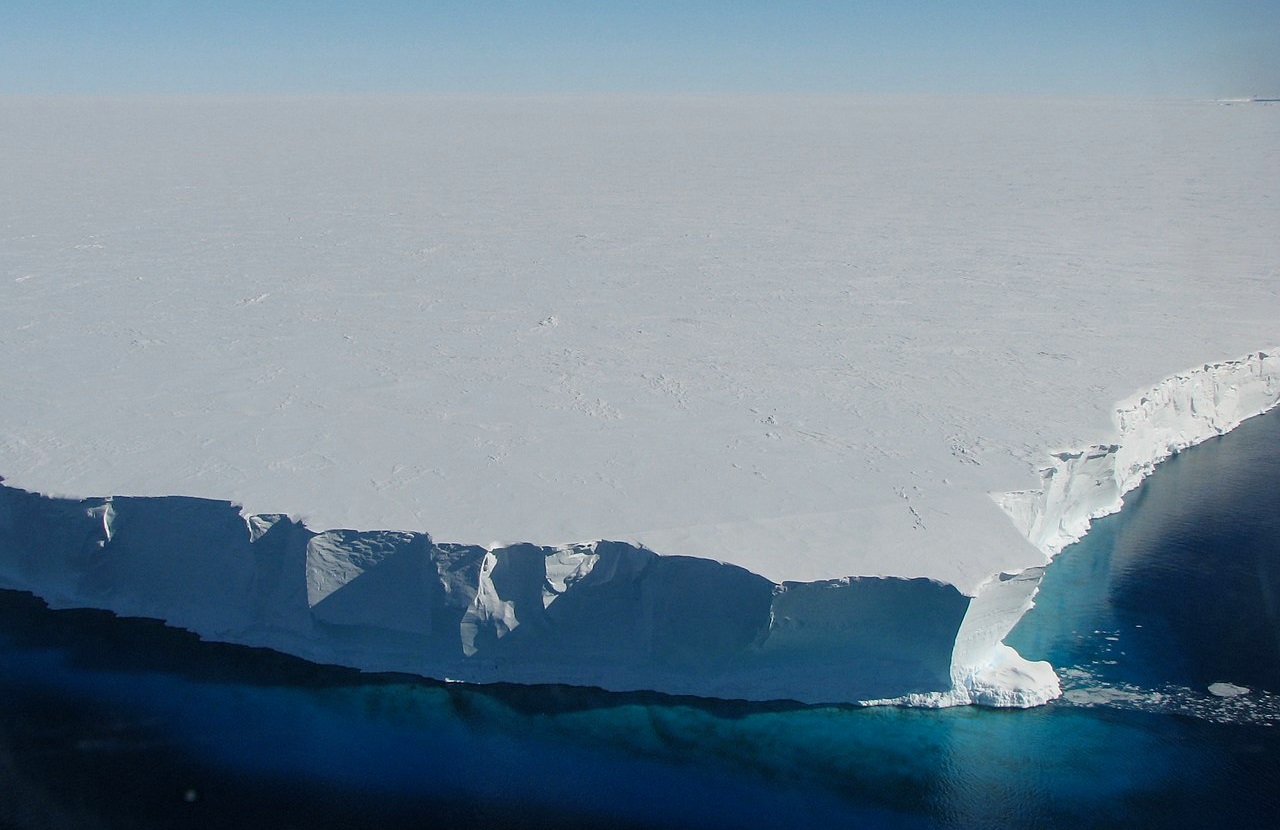
A study published in March 2016, suggests that large parts of East Antarctica’s ice sheet can collapse, can do so under Pliocene conditions. […]

A study published in March 2016, suggests that large parts of East Antarctica’s ice sheet can collapse, can do so under Pliocene conditions. […]
An international team of scientists, from Texas A&M University, the University of Southampton and the Swiss University ETH Zürich, led by the University of St Andrews
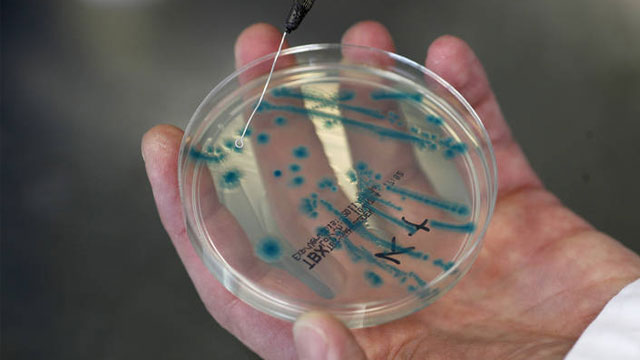
Climate change is the main driver behind the unexpected emergence of a group of bacteria in northern Europe.
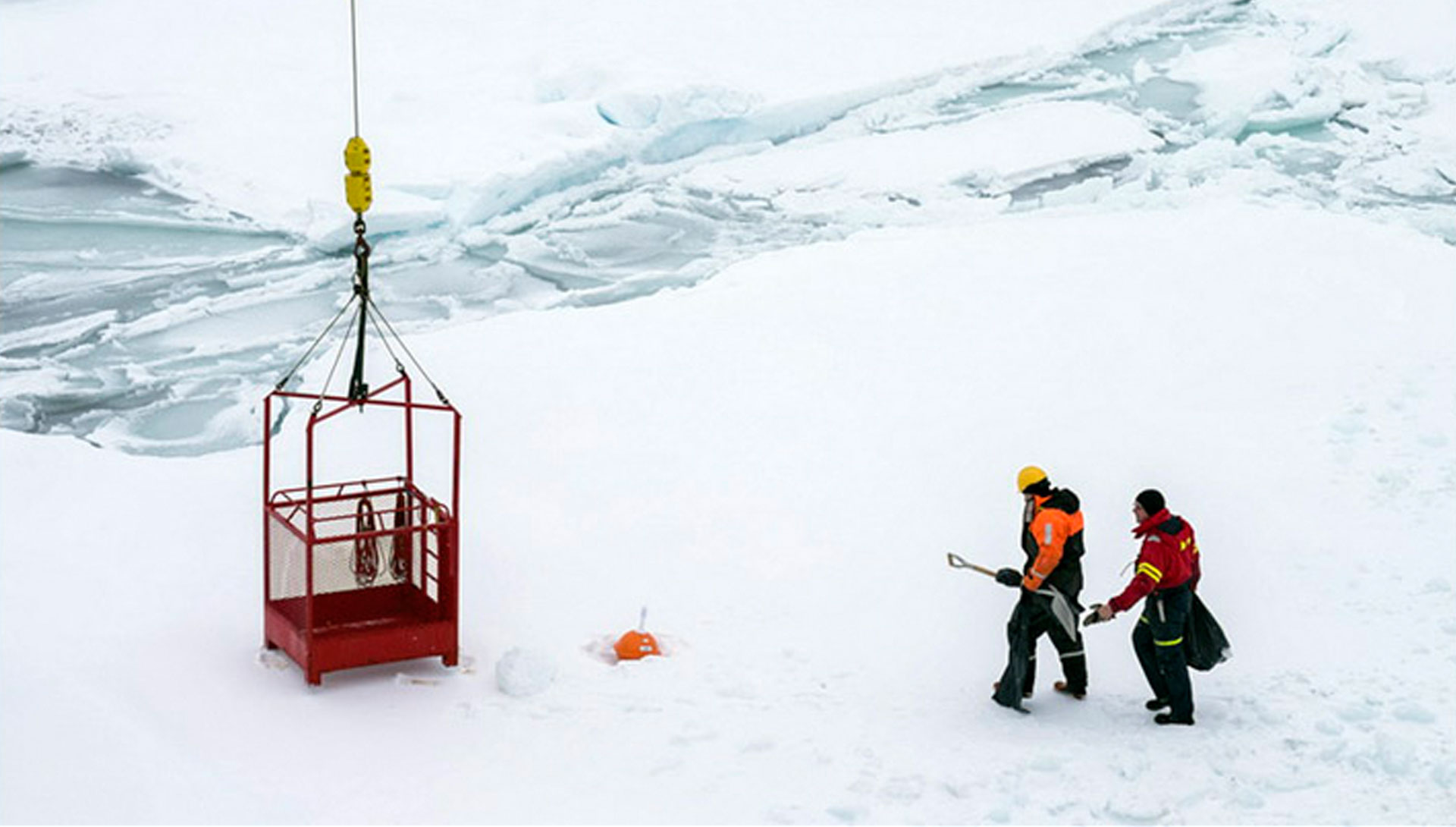
October 4, 2016 by The Siberian Times: New expedition in Laptev Sea suggests increase in the rate of underwater permafrost degradation. http://siberiantimes.com/ecology/others/news/n0760-arctic-methane-gas-emission-significantly-increased-since-2014-major-new-research/
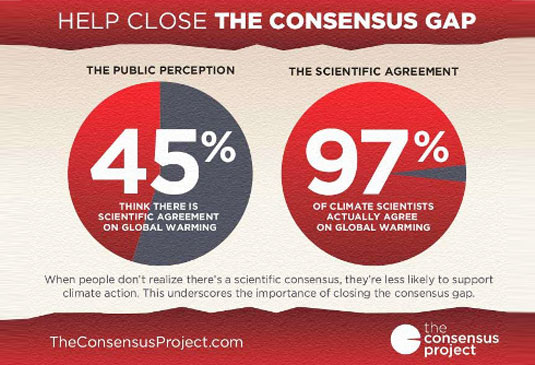
Quantifying anthropogenic global warming in the scientific literature.
Low-carbon energy and energy efficiency investments of about 1.1 trillion annually are required, to meet the emissions reduction targets to keep the world below 2°C.
Earth could spiral into a ‘Hothouse’ state even if we reduce CO2 emissions, warns report.
The most prominent signature in the global mean sea level interannual variability is caused by El Niño–Southern Oscillation, through its impact on the global water cycle.
Nature Study