Antarctic ice melt slows Deep Ocean Current with potential Impact on World’s Climate for Centuries
According to new research published in Nature, melting ice around Antarctica will cause a rapid slowdown of a major global deep ocean current by 2050.

According to new research published in Nature, melting ice around Antarctica will cause a rapid slowdown of a major global deep ocean current by 2050.
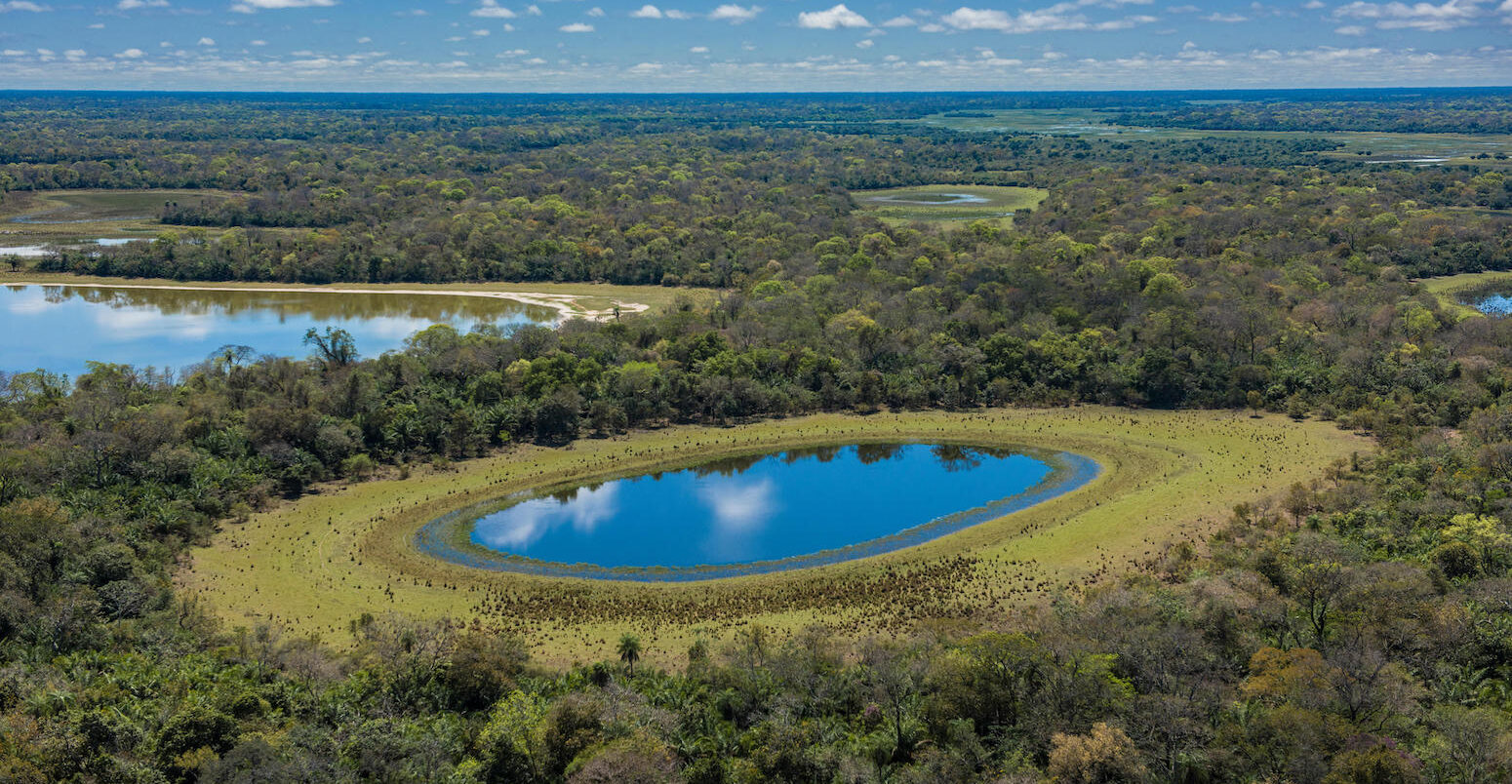
Methane emissions from wetlands have risen faster this century than in even the most pessimistic climate scenarios, new research finds.
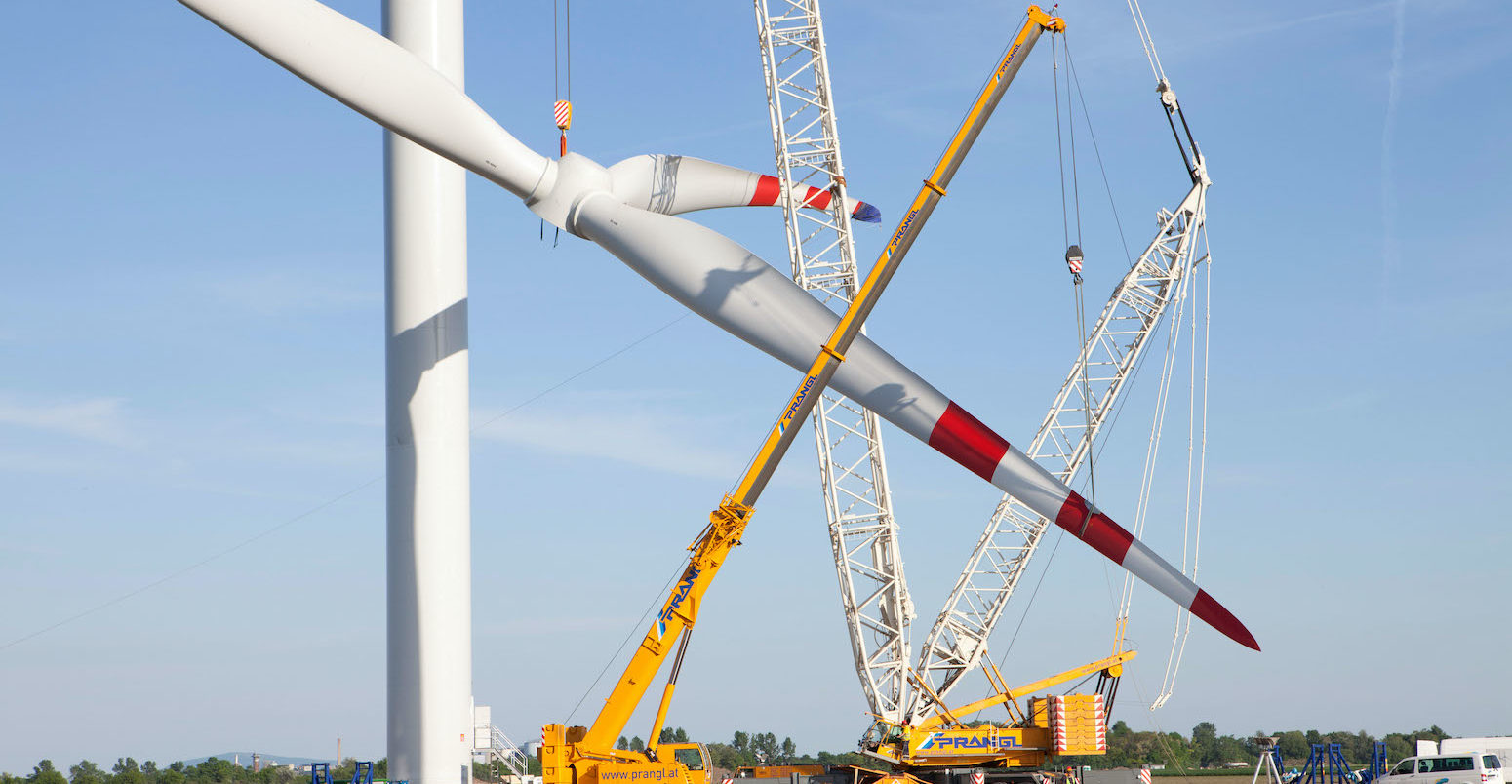
Renewables will cover almost all of global electricity demand growth out to 2025, becoming the world’s top source of electricity within three years, new figures reveal.
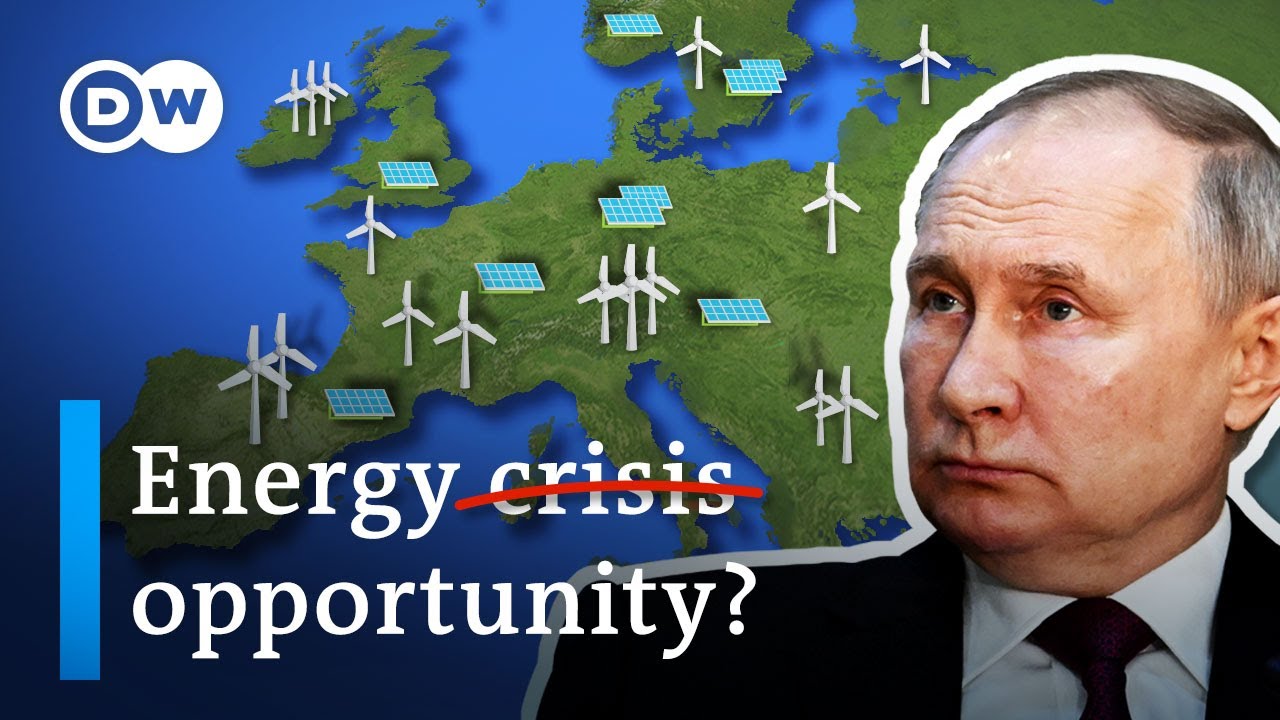
One year after Russia invaded Ukraine, analysts think Putin's aggression may have sped up Europe's energy transition.
Wealthy people are responsible for far more greenhouse gas emissions than poorer people.
Heat pumps are widely seen as the most important technology when it comes to decarbonising heating.
A human and a machine response
Smoke aerosols from large wildfires are the perfect reaction surface for chlorine chemicals, speeding their transformation from ozone-friendly forms to reactive ones.
A “tipping point” is when a system, with just a small amount of additional energy, is pushed from one stable state to another suddenly and dramatically.