
Ancient Human Fossils and Destroyed Landmarks – UK Storm 2014
In February 2014 remains of the earliest humans were found at a beach in UK Norfolk, which just last year saw record storms. In the meantime ancient coastal landmarks are destroyed by the forceful power of rising seas.
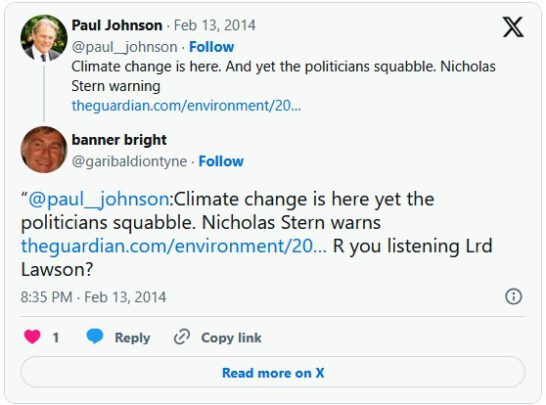
UK storms and floods show climate change is upon us – Lord Stern – Author of influential 2006 report on the economics of climate change says wettest and hottest years on record mean world must take action now or face disaster
- UK storms should be catalyst for climate change treaty, says Ed Davey – Energy change secretary hopes extreme weather ‘will stiffen the arm of British people’ arguing for action on climate change
- Images Obliterated Cliff stack reduced to sad-looking pile of rubble by raging seas a day after another ancient landmark is smashed down
- Video: Earliest footprints outside Africa discovered in Norfolk
- Britain’s coastline is battered by the worst storm surge for SIXTY years (2013)
Tags: 2014, Ancient, Europe, Extreme Weather, Landmarks, United Kingdom
Categories: Climate Change, Environment, Europe, Extreme Weather, Politics, Storms, UK, World News
About the Author: CLIMATE STATE

CLIMATE STATE covers the broad spectrum of climate change, and the solutions, with the focus on the sciences. Climate State – we endorse data, facts, empirical evidence.
POPULAR
COMMENTS
- The risk with the path to a hothouse Earth | Climate State on Climate Tipping Points Existential Threat to Our Life Support Systems
- Robert Schreib on Electricity generation prices may increase by as much as 50% if only based on coal and gas
- Robert Schreib on China made a historic commitment to reduce its emissions of greenhouse gases
- Lee Nikki on COP30: Climate Summit 2025 – Intro Climate Action Event
- Hollie Bailey on Leaders doubled down on fossil fuels after promising to reduce climate pollution
[…] sign for extreme change is when storms destroy ancient landmarks, unearth 1 million old foot prints, reveal ancient forest stumps or pottery from the Iron Age and […]
Depuis le niveau de la mer est monté, recouvrant le lit de la forêt d’une fine couche de tourbe qui stoppa la croissance des plantes et de ces arbres millénaires. Emprisonnés dans cette même matière, les souches ont été conservées et de nombreux fossiles vont pouvoir être étudiés.
Les archéologues ont également découvert une passerelle de bois proche du site, faite de branches tenues sur des poteaux. Nous allons devoir patienter pour connaître la datation exacte de cette passerelle et en apprendre davantage sur l’histoire de la forêt oubliée.